Looking for the Best Skin Clinic in Mombasa?
Healthy skin is about much more than appearance. Your skin is your body’s largest organ and serves as the first line of defense against bacteria, viruses, pollution, ultraviolet (UV) radiation, and environmental damage. When your skin is healthy, it performs these functions efficiently. When it is affected by disease, inflammation, injury, or premature ageing, it can impact not only your physical health but also your confidence and emotional well-being.
Whether you’re struggling with persistent acne, dark spots that refuse to fade, eczema flare-ups, unwanted hair, premature wrinkles, or simply want to maintain healthy glowing skin, finding the right skin clinic is one of the most important decisions you can make.
At Allure Laser, Skin & Aesthetic Medicine Centre, we believe every patient deserves a personalised approach to skincare. No two people have identical skin, which means there is no universal treatment that works for everyone. Instead, effective skin care begins with understanding your skin, identifying the underlying causes of your concerns, and developing a treatment plan based on medical expertise and modern technology.
With two conveniently located clinics in Nyali, Mombasa, Allure serves patients from across the Coastal region, including Bamburi, Shanzu, Mtwapa, Kisauni, Tudor, Changamwe, Likoni, Miritini, Mariakani, Kilifi, Vipingo, Diani, Ukunda, Malindi and beyond.
Why Skin Problems Are Common Along the Kenyan Coast
Living in Mombasa offers many benefits, from beautiful beaches to a warm tropical climate. However, the coastal environment also presents unique challenges for skin health that many people underestimate.
Unlike cooler inland regions, the Coast experiences high humidity, intense sunshine throughout the year, salty ocean air, and increased sweating. These environmental conditions can influence the skin in different ways depending on your skin type.
For some people, humidity causes the skin to produce more oil than usual. This excess oil mixes with dead skin cells and bacteria, increasing the likelihood of blocked pores and acne breakouts. Others may experience irritation caused by sweat remaining on the skin for extended periods, particularly after exercise or outdoor activities.
The strong equatorial sun also exposes the skin to significant ultraviolet (UV) radiation. While sunshine is beneficial in moderation, excessive UV exposure contributes to premature ageing, pigmentation disorders such as melasma, uneven skin tone, sunspots, and increased risk of skin cancer. People with darker skin tones are less likely to burn than those with lighter skin, but they are not immune to UV damage. Hyperpigmentation and uneven skin tone remain common concerns among many people living along the Coast.
Saltwater, wind, and environmental pollutants may further weaken the skin barrier, making some individuals more prone to dryness, sensitivity, irritation, or flare-ups of chronic conditions such as eczema and psoriasis.
These unique environmental factors highlight the importance of seeking professional skin care rather than relying solely on over-the-counter products or social media trends.
Why Choosing the Right Skin Clinic Matters
Searching online for “skin clinic in Mombasa” will return many results, but not every clinic offers the same level of expertise, technology, or patient-centred care.
Choosing a qualified clinic is important because many skin conditions can look similar while requiring completely different treatments.
For example, a person who believes they have acne may actually have rosacea, folliculitis, or another inflammatory skin condition. Similarly, dark patches on the face may be caused by melasma, post-inflammatory hyperpigmentation, fungal infections, medication side effects, or sun damage. Treating the wrong condition can delay improvement and sometimes make the problem worse.
A reputable skin clinic begins by understanding your medical history, examining your skin carefully, discussing your concerns, and recommending treatments based on evidence rather than trends.
Professional skin care also focuses on long-term skin health rather than temporary cosmetic improvement. The goal is not simply to treat symptoms but to understand why they occur and help reduce the likelihood of recurrence.
What Makes Allure Different?
At Allure Laser, Skin & Aesthetic Medicine Centre, our philosophy is centred on personalised care supported by advanced medical technology.
Rather than recommending the same treatment to every patient, we recognise that successful skin care depends on understanding individual needs, skin types, lifestyle factors, and treatment goals.
Our clinics combine medical dermatology and aesthetic medicine to provide comprehensive care for patients seeking both treatment and prevention.
Services available include medical consultations, acne management, pigmentation treatment, scar revision, laser procedures, laser hair removal, chemical peels, Hydrafacial, microneedling, injectable treatments, skin rejuvenation, anti-ageing procedures, PRP therapy, and other advanced aesthetic services.
This integrated approach allows patients to receive personalised treatment plans without needing to visit multiple facilities for different skin concerns.
Understanding Your Skin: Why Every Person Is Different
One of the biggest misconceptions in skincare is that products or treatments that work for one person will automatically work for another.
In reality, skin differs significantly from person to person.
Some people naturally produce more oil, making them prone to acne and enlarged pores. Others have dry skin with an impaired protective barrier that becomes irritated easily. Some individuals have combination skin, where certain areas are oily while others remain dry.
Skin is also influenced by genetics, age, hormones, medications, occupation, nutrition, stress, sleep quality, climate, and daily skincare habits.
Because of these differences, professional assessment is one of the most valuable steps before beginning any treatment.
Understanding your skin helps avoid unnecessary products, reduces irritation, and allows treatments to target the underlying causes of your concerns.
Acne Treatment in Mombasa
Acne is among the most common reasons patients visit a skin clinic.
Although many people think acne only affects teenagers, adult acne is becoming increasingly common among both women and men.
Acne develops when several processes occur simultaneously.
First, the skin produces excess sebum (oil). Dead skin cells then accumulate inside hair follicles instead of shedding normally. This combination blocks pores and creates an environment where naturally occurring bacteria can multiply.
The body’s immune system responds by creating inflammation, resulting in red pimples, painful cysts, whiteheads, blackheads, or deeper nodules.
Acne is not caused by poor hygiene. Washing your face excessively will not eliminate acne and may actually worsen irritation by damaging the skin’s protective barrier.
Similarly, aggressively scrubbing the skin, popping pimples, or using harsh homemade remedies often leads to increased inflammation and a greater risk of permanent scarring.
At Allure, acne management focuses on identifying the underlying causes of breakouts before selecting appropriate treatments.
Depending on individual needs, treatment plans may involve professional skincare guidance, chemical peels, laser therapies, microneedling for acne scars, medical-grade skincare products, or combination treatment programmes designed to achieve long-term improvement rather than temporary results.
Acne Scars: Why Early Treatment Matters
One of the biggest mistakes people make is waiting until acne becomes severe before seeking professional care.
Inflammation caused by acne can damage collagen, the protein responsible for maintaining the skin’s strength and smooth texture.
As the skin heals, this damage may result in permanent scars that are much more difficult to treat than active acne itself.
Acne scars may appear as small deep pits, wider depressions, rolling scars, or uneven texture across the cheeks, temples, forehead, or jawline.
Treating acne early significantly reduces the likelihood of long-term scarring.
For existing scars, modern treatments such as microneedling, laser resurfacing, collagen stimulation therapies, and combination procedures can substantially improve skin texture over time.
It’s important to understand that scar improvement is a gradual process. Because collagen production takes weeks to months, multiple treatment sessions are often required to achieve optimal results.
Hyperpigmentation and Dark Spots
Hyperpigmentation is one of the most common skin concerns among people living in Mombasa and across Kenya.
It occurs when certain areas of the skin produce excess melanin, the pigment responsible for skin colour.
Dark spots may develop after acne, insect bites, burns, eczema, allergic reactions, or skin injuries. They may also result from prolonged sun exposure or hormonal changes, such as melasma.
Many people attempt to remove pigmentation using harsh bleaching creams or unregulated products purchased online. These products can damage the skin barrier, increase sensitivity, and in some cases lead to serious complications.
Effective pigmentation treatment begins by identifying the underlying cause. Simply fading the pigment without addressing the trigger often results in recurrence.
Professional treatment plans may include carefully selected chemical peels, laser technology where appropriate, prescription skincare, pigment-correcting ingredients, and strict sun protection to minimise further stimulation of melanin production.
With patience and the right treatment plan, many patients experience significant improvement in skin tone, clarity, and overall complexion.
Why Sunscreen Is Essential in Mombasa
Many people believe sunscreen is only necessary during beach holidays or when spending long hours outdoors.
In reality, daily sunscreen is one of the most effective ways to maintain healthy skin, especially in coastal regions where ultraviolet radiation is consistently high throughout the year.
Even on cloudy days, ultraviolet rays penetrate the atmosphere and contribute to cumulative skin damage.
Without adequate protection, UV exposure accelerates collagen breakdown, contributing to wrinkles, sagging skin, pigmentation, uneven skin tone, and delayed healing of acne marks.
For individuals undergoing treatments such as chemical peels, laser procedures, or pigmentation therapy, sunscreen becomes even more important because newly treated skin is particularly vulnerable to sun damage.
Applying a broad-spectrum sunscreen every morning and reapplying it as recommended is one of the simplest yet most effective investments you can make in your long-term skin health.
Eczema Treatment in Mombasa: Understanding Dry, Itchy and Inflamed Skin
Eczema, also known as atopic dermatitis, is one of the most common chronic inflammatory skin conditions seen in both children and adults. Although eczema is not contagious, it can significantly affect quality of life because of persistent itching, redness, irritation, and recurrent flare-ups.
For many people living in Mombasa, Nyali, Bamburi, Shanzu, Mtwapa, Kilifi and other parts of the Kenyan Coast, the combination of heat, humidity, sweating and environmental allergens can make eczema symptoms more difficult to manage.
One of the biggest misconceptions about eczema is that it is simply “dry skin.” While dryness is an important feature, eczema is actually a complex condition involving the skin’s protective barrier and the immune system.
When the skin barrier becomes weakened, moisture escapes more easily while irritants, bacteria and allergens penetrate the skin more readily. This leads to inflammation, itching and increased sensitivity.
Common Symptoms of Eczema
Eczema presents differently from person to person, but common symptoms include:
- Persistent itching
- Dry, rough or flaky skin
- Red or darker patches depending on skin tone
- Cracked skin
- Thickened skin from repeated scratching
- Small bumps that may ooze fluid
- Burning or stinging sensations
- Difficulty sleeping due to itching
In darker skin tones, which are common throughout Kenya, eczema may appear as brown, purple or grey patches rather than bright red, making professional assessment especially important.
What Triggers Eczema?
Although the exact cause of eczema is not fully understood, several factors commonly contribute to flare-ups.
Heat and Sweating
Living along the Coast means frequent exposure to warm temperatures and high humidity. Sweat sitting on the skin for long periods can irritate sensitive skin and worsen itching.
Harsh Soaps and Cleansers
Many antibacterial soaps and heavily fragranced body washes strip away the skin’s natural oils, weakening the skin barrier and increasing dryness.
Allergens
Dust mites, pollen, pet dander and certain fabrics may trigger eczema in susceptible individuals.
Stress
Emotional stress does not directly cause eczema, but it can worsen inflammation and increase scratching.
Certain Fabrics
Wool, rough synthetic materials and tight clothing can increase friction and irritation.
Skin Infections
Damaged skin is more vulnerable to bacterial infections, which can worsen eczema and delay healing.
Professional Eczema Management
Managing eczema successfully usually requires more than simply applying moisturiser.
A comprehensive treatment plan may include:
- Identifying individual triggers
- Restoring the skin barrier
- Managing inflammation
- Preventing infection
- Establishing an appropriate skincare routine
- Long-term maintenance to reduce flare-ups
Professional assessment also helps distinguish eczema from psoriasis, fungal infections, contact dermatitis and other conditions that may appear similar.
Psoriasis Treatment in Mombasa
Psoriasis is a chronic autoimmune skin condition that causes skin cells to multiply much faster than normal.
Instead of replacing skin cells gradually over several weeks, psoriasis speeds up the process dramatically, causing thick plaques to develop on the skin.
These plaques may become dry, cracked, itchy or painful.
Psoriasis is not contagious and cannot be spread through physical contact.
Common Areas Affected
Psoriasis frequently develops on:
- Elbows
- Knees
- Scalp
- Lower back
- Hands
- Feet
- Nails
Some individuals experience only small patches, while others develop more widespread disease.
Different Types of Psoriasis
Several forms of psoriasis exist.
Plaque Psoriasis
This is the most common type and appears as thick, raised patches covered with silvery scales.
Scalp Psoriasis
Scalp psoriasis may resemble severe dandruff but often extends beyond the hairline and causes persistent itching.
Nail Psoriasis
The condition may cause pitting, thickening or separation of the nails.
Inverse Psoriasis
Occurs in body folds such as the armpits or groin where friction increases irritation.
Why Early Diagnosis Matters
Because psoriasis may resemble eczema or fungal infections, self-treatment often delays effective care.
Professional assessment helps ensure that patients receive the most appropriate treatment and long-term management strategy
Rosacea: A Commonly Misdiagnosed Skin Condition
Many adults believe they have persistent acne when they actually have rosacea.
Rosacea is a chronic inflammatory condition that commonly affects the face.
It often begins gradually with facial flushing before progressing to persistent redness and visible blood vessels.
Some people also develop bumps that resemble acne.
Unlike acne, however, rosacea does not usually involve blackheads.
Common Symptoms
- Facial redness
- Flushing
- Visible blood vessels
- Burning sensation
- Sensitive skin
- Acne-like bumps
- Eye irritation in some patients
Common Triggers
Rosacea flare-ups may be triggered by:
- Hot weather
- Sun exposure
- Alcohol
- Spicy foods
- Emotional stress
- Hot beverages
- Certain skincare products
Because Mombasa experiences warm temperatures throughout much of the year, many people notice increased facial redness after prolonged outdoor exposure.
Professional assessment helps distinguish rosacea from acne, allergic reactions and other inflammatory skin disorders.
Fungal Skin Infections
Warm temperatures and high humidity create favourable conditions for fungal organisms.
As a result, fungal skin infections are relatively common throughout Coastal Kenya.
Although many fungal infections are easily treated when diagnosed early, delaying treatment may allow the infection to spread.
Common Types
Ringworm (Tinea)
Despite its name, ringworm is caused by fungi rather than worms.
It often appears as a circular rash with a raised border and clearer centre.
Athlete’s Foot
Common among people who wear closed shoes for extended periods.
Symptoms include:
- Peeling skin
- Itching
- Burning
- Cracking between the toes
Fungal Nail Infections
Nails may become:
- Thickened
- Yellow
- Brittle
- Distorted
These infections often require prolonged treatment because nails grow slowly.
Preventing Fungal Infections
Simple measures can help reduce risk:
- Keep skin clean and dry.
- Change sweaty clothing promptly.
- Wear breathable footwear where possible.
- Avoid sharing towels and personal items.
- Seek treatment early if symptoms develop.
Hair Loss and Scalp Disorders
Hair loss affects both men and women and may occur gradually or suddenly.
Because many different conditions cause hair loss, identifying the underlying reason is essential before beginning treatment.
Common Causes of Hair Loss
Genetic Hair Loss
Often develops gradually and may run in families.
Hormonal Changes
Pregnancy, menopause and certain hormonal disorders may contribute.
Nutritional Deficiencies
Low iron or inadequate nutrition may affect normal hair growth.
Stress
Major physical illness or emotional stress can trigger temporary hair shedding.
Scalp Conditions
Inflammation, fungal infections or autoimmune conditions affecting the scalp may interfere with healthy hair growth.
Professional Assessment
Hair loss should not be dismissed as a cosmetic concern.
Evaluation may involve reviewing your medical history, medications, scalp condition and lifestyle factors before recommending appropriate treatment options.
Moles, Skin Cancer Awareness and Skin Checks
Although skin cancer is less common in darker skin tones than in lighter skin, it can still occur.
Regular skin examination remains important because early detection greatly improves treatment outcomes.
Some skin cancers develop in areas that receive frequent sun exposure, while others may occur on the palms, soles of the feet or beneath the nails.
Warning Signs That Should Be Evaluated
Seek professional assessment if you notice:
- A mole that changes in size, shape or colour.
- A sore that does not heal.
- A new growth that continues enlarging.
- Persistent bleeding or crusting.
- An irregularly shaped pigmented lesion.
- Itching or pain within an existing mole.
The widely recognised ABCDE guide can help identify suspicious moles:
- A – Asymmetry: One half does not match the other.
- B – Border: Edges are irregular or poorly defined.
- C – Colour: Multiple colours or uneven pigmentation.
- D – Diameter: Larger than approximately 6 mm, although smaller lesions can also be concerning.
- E – Evolving: Any noticeable change over time.
While many moles are completely harmless, professional evaluation provides reassurance and helps identify lesions that may require further investigation.
Why Professional Diagnosis Matters
Many skin conditions share similar symptoms.
Acne can resemble rosacea.
Eczema may look like psoriasis.
Fungal infections are sometimes mistaken for eczema.
Pigmentation disorders may resemble hormonal changes or post-inflammatory marks.
Attempting to diagnose these conditions using online photos or social media advice can delay appropriate treatment and, in some cases, worsen the problem.
Professional assessment considers your medical history, skin examination, lifestyle, environmental factors and treatment goals before recommending an individualised management plan.
At Allure Laser, Skin & Aesthetic Medicine Centre, we believe every patient deserves a personalised approach because healthy skin begins with an accurate diagnosis.
Whether you are visiting from Nyali, Bamburi, Shanzu, Mtwapa, Tudor, Kisauni, Changamwe, Likoni, Kilifi, Vipingo, Malindi, Diani, Ukunda, Mariakani or elsewhere along the Kenyan Coast, seeking professional advice early can help prevent minor skin concerns from developing into more complex conditions.
Advanced Skin & Aesthetic Treatments at Allure Laser, Skin & Aesthetic Medicine Centre
Modern dermatology extends beyond treating skin diseases. It also focuses on restoring skin health, improving texture, addressing signs of ageing, and helping patients feel more confident in their appearance. At Allure Laser, Skin & Aesthetic Medicine Centre, patients have access to advanced treatments performed as part of personalised treatment plans designed around their unique skin concerns.
Whether you are visiting from Nyali, Bamburi, Shanzu, Mtwapa, Kilifi, Diani, Ukunda, Malindi, Likoni, Kisauni, Tudor, Changamwe, Mariakani or elsewhere along the Kenyan Coast, our goal is to provide safe, evidence-based treatments that deliver natural-looking results.
Permanent Laser Hair Removal
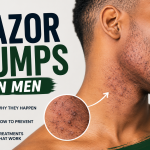
Unwanted hair can be frustrating to manage through shaving, waxing, threading, or plucking. These methods often provide only temporary results and may lead to ingrown hairs, skin irritation, razor bumps, and folliculitis.
Laser hair removal offers a long-term solution by targeting the hair follicle with concentrated light energy. The pigment in the hair absorbs the laser energy, damaging the follicle and significantly reducing future hair growth while protecting the surrounding skin.
Common treatment areas include:
- Face and upper lip
- Chin and neck
- Underarms
- Arms
- Chest and back
- Bikini line
- Legs
Because hair grows in cycles, multiple sessions are usually required to achieve optimal results. During your consultation, a personalised treatment plan is created based on your skin type, hair colour, treatment area, and desired outcome.
Hydrafacial for Healthy, Glowing Skin
Hydrafacial is one of the most popular non-invasive facial treatments because it combines cleansing, exfoliation, extraction, hydration, and antioxidant protection in a single session.
Unlike traditional facials, Hydrafacial uses specialised technology to deeply cleanse pores while simultaneously nourishing the skin with hydrating serums. Many patients notice an immediate improvement in skin texture and radiance, making it an excellent option before weddings, events, or special occasions.
Hydrafacial may help improve:
- Dehydrated skin
- Congested pores
- Dull complexion
- Fine lines
- Uneven skin texture
- Oily skin
Regular treatments, combined with a good home skincare routine, can help maintain healthier-looking skin over time.
Chemical Peels
Chemical peels are professional treatments that encourage skin renewal by removing damaged outer layers of skin.
Different peel strengths are available depending on your skin type and concerns. Superficial peels may improve dullness and mild acne, while deeper peels can address pigmentation, acne scars, and uneven skin texture under professional supervision.
Benefits may include:
- Brighter skin tone
- Smoother texture
- Reduced acne breakouts
- Improved appearance of dark spots
- Enhanced absorption of skincare products
Because everyone’s skin responds differently, a consultation helps determine the most suitable peel for your needs.
Microneedling and Collagen Induction Therapy
Healthy skin relies on collagen to remain firm, smooth, and resilient. As we age or after inflammatory conditions such as acne, collagen levels naturally decline.
Microneedling works by creating controlled micro-channels in the skin, stimulating the body’s natural healing response and encouraging the production of new collagen and elastin.
Microneedling is commonly recommended for:
- Acne scars
- Fine lines
- Enlarged pores
- Uneven skin texture
- Mild skin laxity
Results develop gradually over several weeks as collagen remodels the skin, leading to smoother, firmer, and healthier-looking skin.
PRP for Skin Rejuvenation and Hair Restoration
Platelet-Rich Plasma (PRP) therapy uses concentrated platelets obtained from a small sample of your own blood. These platelets contain natural growth factors that support tissue repair and regeneration.
For the skin, PRP can complement rejuvenation treatments by improving skin quality and supporting collagen production.
For the scalp, PRP is used in selected patients experiencing certain types of hair thinning, where it may help stimulate healthier hair growth as part of a comprehensive treatment plan.
Because PRP uses your own blood, it is a personalised treatment that should always be performed by trained medical professionals following appropriate clinical protocols.
Anti-Ageing Treatments
Ageing is a natural process that affects everyone differently. Over time, collagen production decreases, facial volume changes, and repeated facial expressions contribute to the formation of fine lines and wrinkles.
Modern aesthetic medicine focuses on helping patients age gracefully rather than changing their natural appearance.
Treatment plans may include:
- Skin rejuvenation procedures
- Medical-grade skincare
- Injectable treatments
- Hydration therapies
- Collagen-stimulating procedures
The goal is refreshed, balanced, and natural-looking results tailored to each patient’s facial features and aesthetic goals.
Why Patients Across the Coast Choose Allure
Patients visit Allure Laser, Skin & Aesthetic Medicine Centre from across Mombasa County and the wider Coastal region because they are looking for comprehensive skin care under one roof.
Our clinics in Nyali welcome patients from:
- Nyali
- Bamburi
- Shanzu
- Mtwapa
- Kisauni
- Tudor
- Changamwe
- Likoni
- Miritini
- Mariakani
- Vipingo
- Kilifi
- Diani
- Ukunda
- Malindi
Whether you require treatment for acne, eczema, pigmentation, hair loss, laser hair removal, skin rejuvenation, or aesthetic procedures, our team develops personalised treatment plans based on your individual needs rather than a one-size-fits-all approach.
Frequently Asked Questions
Which is the best skin clinic in Mombasa?
The best clinic is one that provides qualified medical professionals, personalised treatment plans, modern technology, and evidence-based care. Choosing a clinic that offers both medical dermatology and aesthetic medicine allows patients to receive comprehensive skin care under one roof.
Can acne scars be treated?
Yes. Many acne scars can be significantly improved through treatments such as microneedling, laser therapies, and other collagen-stimulating procedures. The most suitable treatment depends on the type and severity of the scars.
Is laser hair removal permanent?
Laser hair removal provides long-term hair reduction by targeting the hair follicles. Most patients require several treatment sessions because hair grows in different cycles.
Can dark spots be removed?
Dark spots caused by acne, sun exposure, or inflammation often improve with a personalised treatment plan that may include professional skincare, chemical peels, laser treatments, and daily sun protection.
How often should I visit a skin clinic?
The frequency depends on your skin condition and treatment goals. Some patients benefit from regular maintenance visits, while others may only need occasional reviews after completing treatment.
Begin Your Journey to Healthier Skin
Healthy skin starts with the right diagnosis, personalised care, and treatments tailored to your unique needs. Whether you are seeking relief from a chronic skin condition or looking to enhance your natural appearance, professional guidance can help you make informed decisions about your skin.
At Allure Laser, Skin & Aesthetic Medicine Centre, we are committed to providing comprehensive dermatology and aesthetic services to patients across Mombasa and the Kenyan Coast. If you are in Nyali, Bamburi, Shanzu, Mtwapa, Kilifi, Diani, Ukunda, Malindi, Likoni, or the surrounding areas, we invite you to book a consultation and take the first step toward healthier, more confident skin.