Acne is one of the most common skin conditions affecting people worldwide, and it is one of the most frequent reasons people seek professional skin treatment in Nairobi.
Although acne is often associated with teenagers, the reality is that acne affects people of all ages. Many adults experience persistent breakouts, hormonal acne, pigmentation, uneven skin texture, and scars that remain long after the active acne has disappeared.
At Allure Laser, Skin & Aesthetic Medicine Centre, we understand that acne is not just a surface-level skin concern. It can affect confidence, self-esteem, and the way people feel about their appearance.
Effective acne treatment requires understanding the cause of acne, identifying your skin type, and creating a personalised treatment plan that improves both active acne and long-term skin health.
What Is Acne?
Acne is a chronic inflammatory skin condition that develops when hair follicles become blocked with oil (sebum), dead skin cells, and bacteria.
Your skin naturally produces oil to protect itself. However, when too much oil combines with dead skin cells, it can block pores.
Inside the blocked pore, bacteria can multiply and trigger inflammation. This leads to different forms of acne, including pimples, blackheads, whiteheads, and deeper painful lesions.
Acne commonly appears on:
- Face
- Forehead
- Cheeks
- Chin
- Jawline
- Chest
- Back
- Shoulders
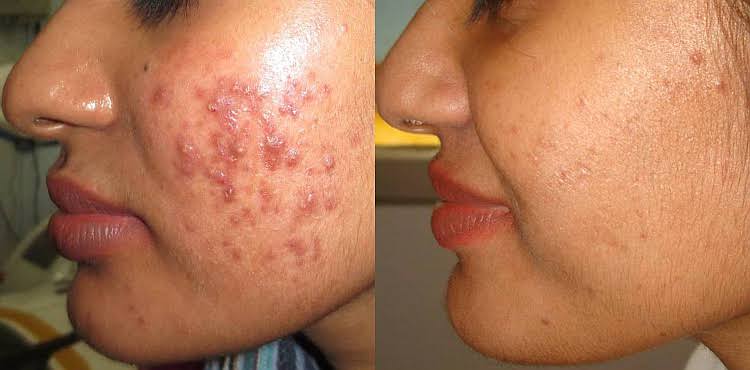
The severity of acne varies from person to person. Some people experience occasional breakouts, while others develop persistent acne that can leave permanent scars if untreated.
What Causes Acne?
Acne is caused by a combination of different factors. There is rarely one single cause.
Understanding the cause is important because effective treatment should address the reason acne is developing.
1. Hormonal Changes and Hormonal Acne
Hormones play a major role in acne development.
During hormonal changes, the body may produce more androgens (male hormones that are present in both men and women).
Higher androgen activity can stimulate sebaceous glands, causing them to produce excess oil.
This increased oil production can clog pores and create an environment where acne develops.
Hormonal acne commonly appears around:
- Chin
- Jawline
- Lower cheeks
Many adults, especially women, experience hormonal acne due to:
- Menstrual cycle changes
- Stress hormones
- Pregnancy-related changes
- Certain medications
Hormonal acne often requires a different approach compared to simple clogged pores.
2. Excess Oil Production
Sebum is natural oil produced by sebaceous glands.
Healthy amounts of oil help maintain the skin barrier and prevent dryness.
However, excessive oil production can cause:
- Enlarged pores
- Blocked follicles
- Increased acne formation
People with oily skin may notice:
- Shiny skin during the day
- Frequent breakouts
- Makeup not lasting
- Enlarged-looking pores
Managing oil production is an important part of acne treatment.
3. Dead Skin Cell Build-Up
Your skin constantly renews itself.
Old skin cells naturally shed, but sometimes they do not shed properly.
These dead cells can mix with oil and block pores.
This creates:
- Whiteheads
- Blackheads
- Congested skin
Professional exfoliation treatments can help improve skin renewal without damaging the skin barrier.
4. Acne-Causing Bacteria
A type of bacteria called Cutibacterium acnes naturally lives on the skin.
When a pore becomes blocked, bacteria can multiply and trigger inflammation.
The immune system responds by creating redness, swelling, and sometimes pus-filled pimples.
This is why inflamed acne often appears:
- Red
- Tender
- Painful
5. Stress and Lifestyle Factors
Stress does not directly create acne in every person, but it can worsen existing acne.
Stress increases hormones such as cortisol, which may influence oil production and inflammation.
Other lifestyle factors that may affect acne include:
- Poor sleep
- High stress levels
- Incorrect skincare products
- Frequently touching the face
- Not removing makeup properly
Types of Acne
Different acne types require different treatment approaches.
Whiteheads (Closed Comedones)
Whiteheads occur when a pore becomes blocked but remains closed.
They appear as small bumps under the skin.
They are usually not inflamed but can develop into more severe acne.
Treatment focuses on:
- Keeping pores clear
- Improving skin renewal
- Preventing blockage
Blackheads (Open Comedones)
Blackheads occur when a blocked pore opens to the surface.
The dark appearance is not dirt.
It happens because the oil inside the pore reacts with oxygen.
Blackheads often appear on:
- Nose
- Forehead
- Chin
Papules
Papules are small red raised bumps caused by inflammation.
They may feel sensitive or painful.
Picking papules can increase the chance of scarring.
Pustules
Pustules are inflamed pimples containing pus.
They often appear as:
- Red bumps
- White/yellow centres
They should not be squeezed because this can push inflammation deeper into the skin.
Cystic Acne
Cystic acne is a more severe form of acne.
It develops deep inside the skin and can cause:
- Painful lumps
- Significant inflammation
- Permanent scars
People with cystic acne benefit from professional assessment because early treatment can prevent long-term skin damage.
Acne Treatment in Nairobi
Effective acne treatment depends on:
- Acne severity
- Skin type
- Age
- Previous treatments
- Presence of scars or pigmentation
At Allure Kenya, treatments are personalised rather than using a one-size-fits-all approach.
Chemical Peels for Acne
Chemical peels are professional skin treatments designed to improve skin renewal.
A controlled solution is applied to the skin to remove damaged surface cells.
Benefits may include:
- Clearing blocked pores
- Improving uneven texture
- Reducing acne marks
- Supporting smoother skin
Different peels are selected depending on your skin condition.
A professional peel is different from home exfoliation because the strength and ingredients are carefully controlled.
Microneedling for Acne Scars
Acne scars develop when inflammation damages collagen during the healing process.
Micro needling uses tiny controlled micro-injuries to stimulate the skin’s natural repair response.
This encourages collagen and elastin production.
It can improve:
- Depressed acne scars
- Uneven texture
- Enlarged pores
- Skin smoothness
Results usually improve gradually because collagen production takes time.
Laser Treatment for Acne and Scars
Laser technology is used in modern dermatology to improve several skin concerns.
Depending on the treatment type, lasers may help:
- Improve skin texture
- Reduce pigmentation
- Support collagen production
- Improve acne scars
Laser treatment is selected according to skin type and concern.
Professional assessment is important, especially for darker skin tones where treatment must be carefully planned.
Treating Acne Dark Marks (Post-Inflammatory Hyperpigmentation)
Many people think acne is gone when the pimples disappear, but dark marks can remain.
These marks occur because inflammation triggers increased melanin production.
They are more common in deeper skin tones.
Treatment focuses on:
- Reducing pigmentation
- Preventing new marks
- Protecting the skin from further damage
Important steps include:
- Sunscreen use
- Correct skincare products
- Professional treatments when needed
Best Skincare Routine for Acne-Prone Skin
A good skincare routine supports professional treatment.
Morning
Gentle Cleanser
Removes oil and impurities without damaging the skin barrier.
Moisturiser
Many acne-prone people avoid moisturiser, but dehydration can worsen irritation.
A balanced moisturiser supports healthy skin.
Sunscreen
Sun exposure can worsen acne marks and pigmentation.
Daily sunscreen is essential.
Evening
Cleanse
Remove sunscreen, makeup, and daily buildup.
Treatment Products
Use products recommended for your skin.
Moisturise
Support skin recovery overnight.
Common Acne Mistakes
Picking Pimples
Squeezing acne can push inflammation deeper and increase scarring.
Using Too Many Products
Combining many active ingredients can irritate the skin barrier.
Scrubbing Aggressively
Harsh scrubbing does not remove acne faster.
It can increase inflammation.
Ignoring Professional Help
Persistent acne may require targeted treatment.
Can Acne Scars Be Removed?
Acne scars can often be significantly improved.
However, treatment depends on the scar type.
Professional options may include:
- Microneedling
- Laser resurfacing
- Skin rejuvenation treatments
- Combination procedures
The earlier acne scars are treated, the better the improvement potential.
Why Choose Allure Kenya for Acne Treatment?
Allure Laser, Skin & Aesthetic Medicine Centre provides advanced skin solutions using modern technology and personalized care.
Our approach focuses on:
- Understanding your skin
- Treating the root cause
- Improving skin health
- Reducing acne scars
- Creating long-term results
Clear skin is not about temporary fixes.
It is about having the right treatment plan designed for your skin.
Book your acne consultation with Allure Kenya today.