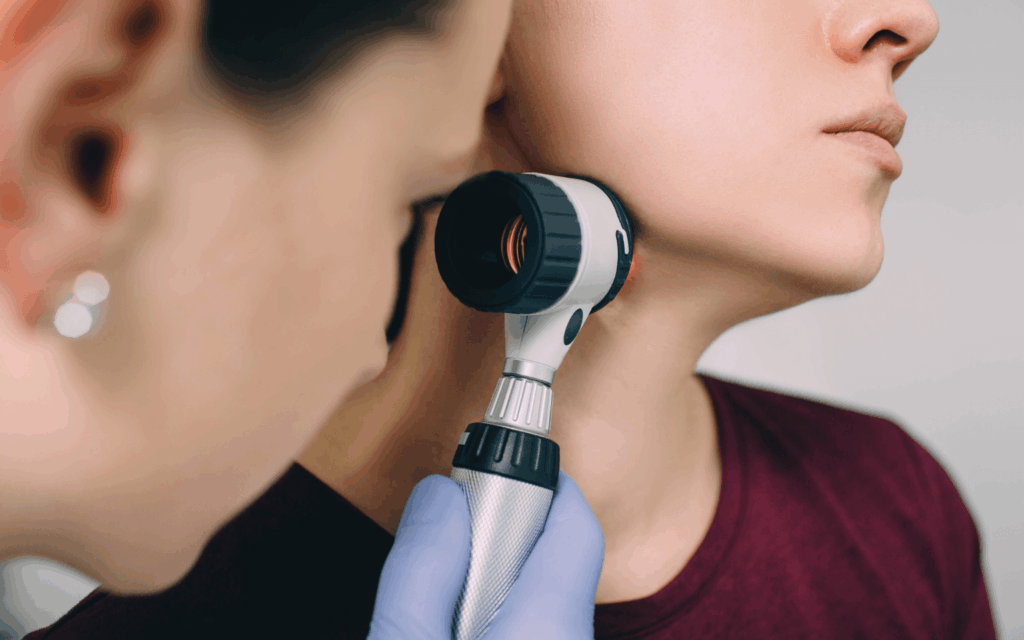
Your skin does more than define how you look — it protects you from infections, regulates temperature, and reflects your overall health. While many minor skin concerns can be managed with over-the-counter products or home routines, there are specific situations where professional medical evaluation is essential. A dermatologist is a medical specialist trained to diagnose, treat, and manage conditions of the skin, hair, and nails. They can also perform diagnostic procedures like biopsies and skin cancer checks, and provide evidence-based treatment plans tailored to your needs.
This guide explains when you should see a dermatologist, what signs to watch for, and why professional care matters.
Why Seeing a Dermatologist Matters
Dermatologists are trained to distinguish between harmless, temporary skin issues and conditions that require medical intervention. Many serious skin diseases begin with symptoms that look minor — a rash, a persistent patch of dry skin, or an unusual mole — and early diagnosis greatly improves treatment outcomes. Over-the-counter products may mask symptoms without addressing the underlying condition, which can delay proper care and, in some cases, lead to complications.
Professional dermatology care includes:
Clinical evaluation and diagnosis
Prescription medication or medical procedures
Monitoring of chronic skin conditions
Cancer screening and early detection
Personalized skincare guidance
At a clinic like Allure Laser Skin and Aesthetic Medicine Centre in Kenya, dermatology visits include history review, full skin examination, and personalized treatment plans tailored to skin type, condition, and goals.
1. Persistent Acne That Doesn’t Respond to Treatment
Acne isn’t just a teenage inconvenience. When it persists despite consistent use of cleansers, exfoliants, moisturizers, and other skincare products, it may require medical treatment.
Signs that suggest you need a dermatologist include:
Acne that lasts more than 6–8 weeks without improvement.
Painful nodules or cysts beneath the surface of the skin.
Acne that leaves dark marks or scars even after breakouts disappear.
Breakouts that affect self-esteem or quality of life.
Dermatologists can prescribe stronger topical medications, oral antibiotics, hormonal treatments, or retinoids that work beyond what general skincare can achieve. They can also biopsy unusual bumps to rule out other causes.
2. Moles or Spots That Change in Appearance
One of the most important reasons to visit a dermatologist is any change in existing moles or the appearance of new spots. Some skin cancers — including melanoma — can develop with subtle early signs.
Warning signals include:
Changes in size, shape, or colour of a mole.
Irregular borders or uneven colours.
Spots that bleed, itch, or do not heal.
Spots that look different from surrounding moles.
Dermatologists use clinical guidelines to evaluate lesions, sometimes performing dermoscopy or biopsy, and early detection greatly increases treatment success.
3. Rashes, Itching, or Redness That Won’t Go Away
While dry skin and mild irritation are common, persistent or severe rash, itching, or redness should be evaluated by a specialist:
Rashes covering a large area of the body or that spread over time.
Itching that interferes with sleep or daily activities.
Red patches that develop thick, scaly, or crusted surfaces.
Symptoms that do not improve after two weeks of home care.
These signs can indicate eczema, psoriasis, allergic dermatitis, or fungal infections — conditions that require targeted diagnosis and medical treatment. Dermatologists can distinguish between these possibilities and prevent prolonged discomfort or complications.
4. Skin Discolouration or Pigmentation Changes
Sudden or progressive changes in skin tone, dark patches (like melasma), or persistent discolouration may not respond to generic skincare routines. These changes can be caused by sun damage, hormonal shifts, or underlying skin conditions.
If pigmentation does not fade with consistent skincare use, or if it keeps returning, seeing a dermatologist is recommended. Professional management may include prescription formulas, in-clinic procedures like chemical peels, or targeted laser therapy.
5. Signs of Skin Infection or Injury
Certain signs suggest that a skin issue could be more than temporary irritation and may require medical treatment:
Persistent wounds or sores that won’t heal within a few weeks.
Pus, increased warmth, or swelling around a lesion.
Fever, pain, or spreading redness, which could indicate bacterial or fungal infection.
In these cases, self-treating with over-the-counter creams may not be enough and can sometimes delay recovery.
6. Chronic Skin Conditions or Recurrent Problems
Certain conditions require ongoing care and monitoring from a specialist:
Eczema (atopic dermatitis)
Psoriasis
Chronic dermatitis
Recurrent hives (urticaria)
Rosacea
Dermatologists can prescribe long-term management plans, including medical treatments and lifestyle adjustments, to control symptoms and prevent flare-ups.�
7. Hair and Nail Issues That Aren’t Normal
Dermatologists also diagnose conditions affecting hair and nails. If you experience:
Sudden or patchy hair loss.
Scaling or scaly patches on the scalp.
Nail discoloration, pitting, or separation from the nail bed.
These can be signs of specific dermatological or systemic conditions requiring specialized evaluation.
Questions to Ask in Your Dermatology Appointment
Before your visit, prepare details about your condition:
How long has the problem been present?
What products or treatments have you tried?
Are symptoms improving, worsening, or unchanged?
Do you have any known allergies or sensitivities?
Do symptoms appear in specific environments (e.g., sun exposure)?
You can also bring photographs or logs of changes to track progression since symptoms first appeared.
What to Expect From a Dermatology Visit
During a dermatologist consultation you can expect:
A full medical history and symptom review.
Detailed skin examination.
Possible diagnostic tests such as dermoscopy or biopsy.
A customized treatment plan that includes both in-clinic care and home routine adjustments.
Dermatologists do more than treat current symptoms — they look for underlying causes, teach prevention strategies, and help maintain long-term skin health.
Seeing a dermatologist isn’t just for cosmetic concerns. It’s a medical necessity when your skin shows signs of persistent, unusual, or worsening conditions that simple skincare can’t fix. From non-healing lesions to stubborn acne, sudden changes in moles to chronic rashes, a dermatologist provides expert diagnosis, effective treatment, and peace of mind.
If you’re in Nairobi, Mombasa, or other parts of Kenya and have ongoing skin concerns, consulting a specialist can make all the difference in getting the right diagnosis and effective care.
Book an appointment here