Pregnancy is a beautiful journey — but it also brings significant changes to your skin. Hormonal shifts can trigger acne, pigmentation, dryness, sensitivity, and flare-ups of existing skin conditions. At the same time, many ingredients commonly found in skincare products are no longer considered safe during pregnancy, making it essential to rethink your routine.
This guide explains, in detail, how pregnancy affects your skin, which ingredients are safe or unsafe, and how to care for your skin effectively and safely throughout pregnancy — without compromising results or your baby’s health.
How Pregnancy Affects the Skin
During pregnancy, levels of estrogen, progesterone, and melanocyte-stimulating hormone rise significantly. These hormonal changes affect oil production, pigmentation, circulation, and skin sensitivity.
Common pregnancy-related skin concerns include:
Acne and breakouts, even in women who never had acne before
Melasma (pregnancy mask) — dark patches on the face
Increased skin sensitivity and irritation
Dryness and itching
Stretch marks
Worsening of conditions like eczema or rosacea
Because the skin barrier becomes more reactive, products that were once tolerated may suddenly cause irritation.
Why Skincare Safety Matters During Pregnancy
What you apply to your skin doesn’t always stay on the surface. Certain ingredients can be absorbed into the bloodstream and potentially affect fetal development. For this reason, dermatologists recommend avoiding specific actives during pregnancy — even if they are otherwise excellent skincare ingredients.
Pregnancy-safe skincare focuses on barrier protection, hydration, gentle exfoliation, and sun protection, rather than aggressive anti-aging or acne treatments.
Ingredients to Avoid During Pregnancy
These ingredients are commonly found in anti-aging, acne, and brightening products and should be avoided unless specifically approved by a healthcare provider.
Retinoids (Vitamin A derivatives)
Includes retinol, retinal, tretinoin, adapalene, and isotretinoin. These are strongly linked to birth defects when absorbed systemically.
High-Strength Salicylic Acid
Low concentrations in cleansers are generally considered safe, but leave-on products or peels with high salicylic acid should be avoided.
Hydroquinone
Used for pigmentation, it has high absorption rates and is not recommended during pregnancy.
Chemical Sunscreens (some types)
Certain chemical UV filters may be absorbed into the bloodstream. Mineral sunscreens are preferred.
Formaldehyde & Certain Preservatives
Often found in nail products and some cosmetics.
Essential Oils in High Concentrations
Some essential oils can trigger uterine contractions or skin reactions.
Pregnancy-Safe Skincare Ingredients
Safe skincare during pregnancy is not about doing nothing — it’s about choosing the right ingredients.
Hyaluronic Acid
Deeply hydrates the skin, plumps fine lines, and strengthens the skin barrier. Completely safe and highly recommended.
Niacinamide (Vitamin B3)
Helps regulate oil, calm inflammation, improve skin tone, and strengthen the skin barrier.
Azelaic Acid
One of the best pregnancy-safe treatments for acne, pigmentation, and rosacea. Gentle yet effective.
Vitamin C
A powerful antioxidant that brightens the skin, boosts collagen, and protects against environmental damage.
Ceramides
Restore and protect the skin barrier, reducing sensitivity and dryness.
Mineral Sunscreens
Zinc oxide and titanium dioxide sit on the skin’s surface and physically block UV rays without absorption.
Pregnancy-Safe Skincare Routine (Step-by-Step)
Morning Routine
Gentle, fragrance-free cleanser
Hydrating serum (hyaluronic acid or niacinamide)
Moisturizer with ceramides
Mineral sunscreen (SPF 30 or higher)
Daily sun protection is critical, especially to prevent melasma.
Evening Routine
Gentle cleanser
Azelaic acid or calming serum
Nourishing moisturizer
Avoid harsh exfoliation or strong acids.
Managing Common Pregnancy Skin Concerns
Acne During Pregnancy
Hormonal acne is common. Avoid retinoids and harsh treatments. Safe options include azelaic acid, gentle cleansers, and professional guidance.
Melasma (Pregnancy Mask)
Sun exposure worsens melasma. Strict sun protection is the most effective prevention. Vitamin C and niacinamide can help brighten safely.
Dryness and Itching
Use fragrance-free moisturizers with ceramides and hyaluronic acid. Avoid long hot showers.
Stretch Marks
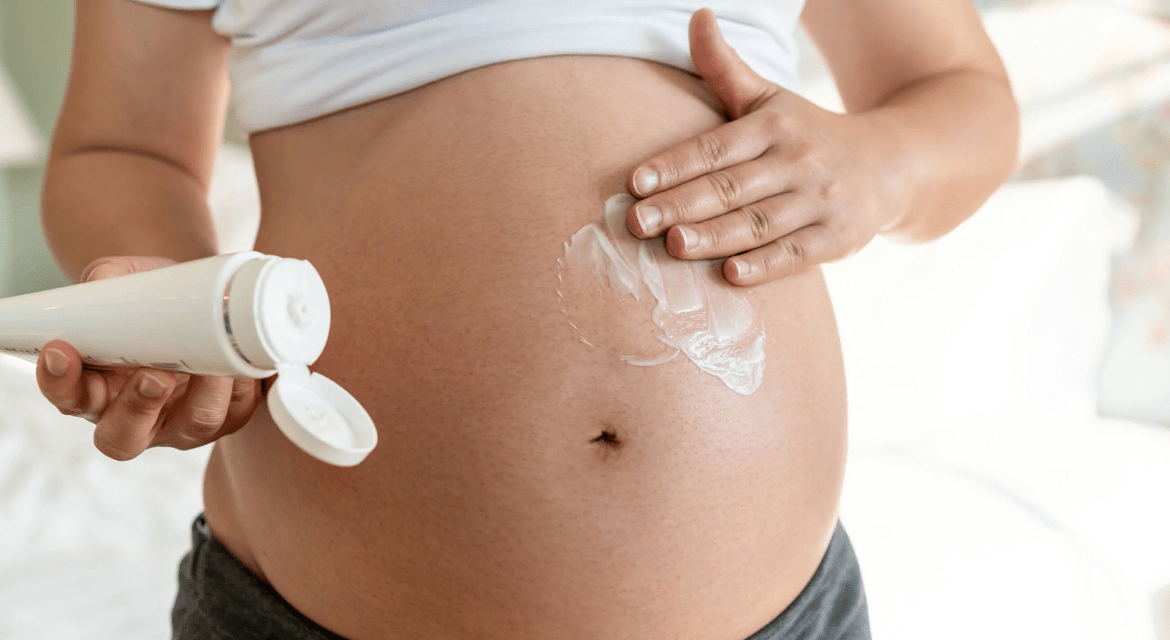
No product can fully prevent them, but keeping skin well-hydrated with rich emollients and oils may improve elasticity and comfort.
Professional Treatments During Pregnancy
Some treatments are safe, while others should be avoided.
Generally Safe (with professional assessment)
Gentle facials
Hydrating treatments
Oxygen facials
Mild exfoliation
Avoid During Pregnancy
Chemical peels (medium to deep)
Laser treatments
Injectables (Botox, fillers)
Radiofrequency body or face treatments
Always consult a qualified professional before any treatment.
Why Professional Guidance Matters
Pregnancy skin is unpredictable. What works for one person may not work for another. Professional evaluation ensures that:
Your routine is truly pregnancy-safe
Products won’t trigger pigmentation or sensitivity
Existing skin conditions are managed safely
You avoid unnecessary or harmful ingredients
Pregnancy doesn’t mean giving up on skincare — it means choosing smarter, safer, and more supportive options. A well-designed pregnancy-safe skincare routine protects your skin barrier, manages hormonal changes, and prevents long-term damage like pigmentation and premature aging.
With the right guidance and products, you can maintain healthy, glowing skin throughout pregnancy and beyond — safely, confidently, and effectively.